Madrid Live Music Guide: The Best Venues
ConcertBuddy Team • 2026-09-26
12 min read
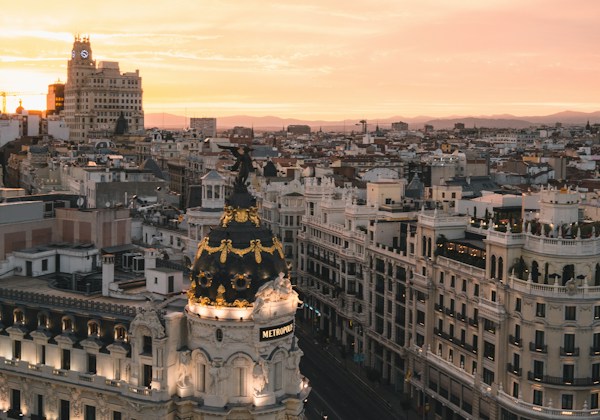
Madrid is one of Europe's great live music capitals — a city where the night truly begins at midnight and venues fill up long after cities like London and Berlin have called last orders. From the iconic waterfront hall La Riviera to the historic jazz clubs of Huertas and the underground punk rooms of Carabanchel, this guide covers the essential venues across the Spanish capital.
Find other music fans heading to Madrid shows on ConcertBuddy.
La Riviera — Paseo Bajo de la Virgen del Puerto, Arganzuela

La Riviera is Madrid's most prestigious mid-size venue, a 2,000-capacity hall on the banks of the Manzanares that has hosted virtually every major international act passing through the city. Radiohead, Nick Cave, LCD Soundsystem, and Arcade Fire have all played defining Madrid shows here. The room has excellent sight lines, a raised balcony, and a terrace overlooking the river — arrive early to appreciate it. Its location next to Madrid Río makes the pre-gig walk along the river a ritual for regulars.
Official website →WiZink Center — Calle Felipe II, 2, Retiro
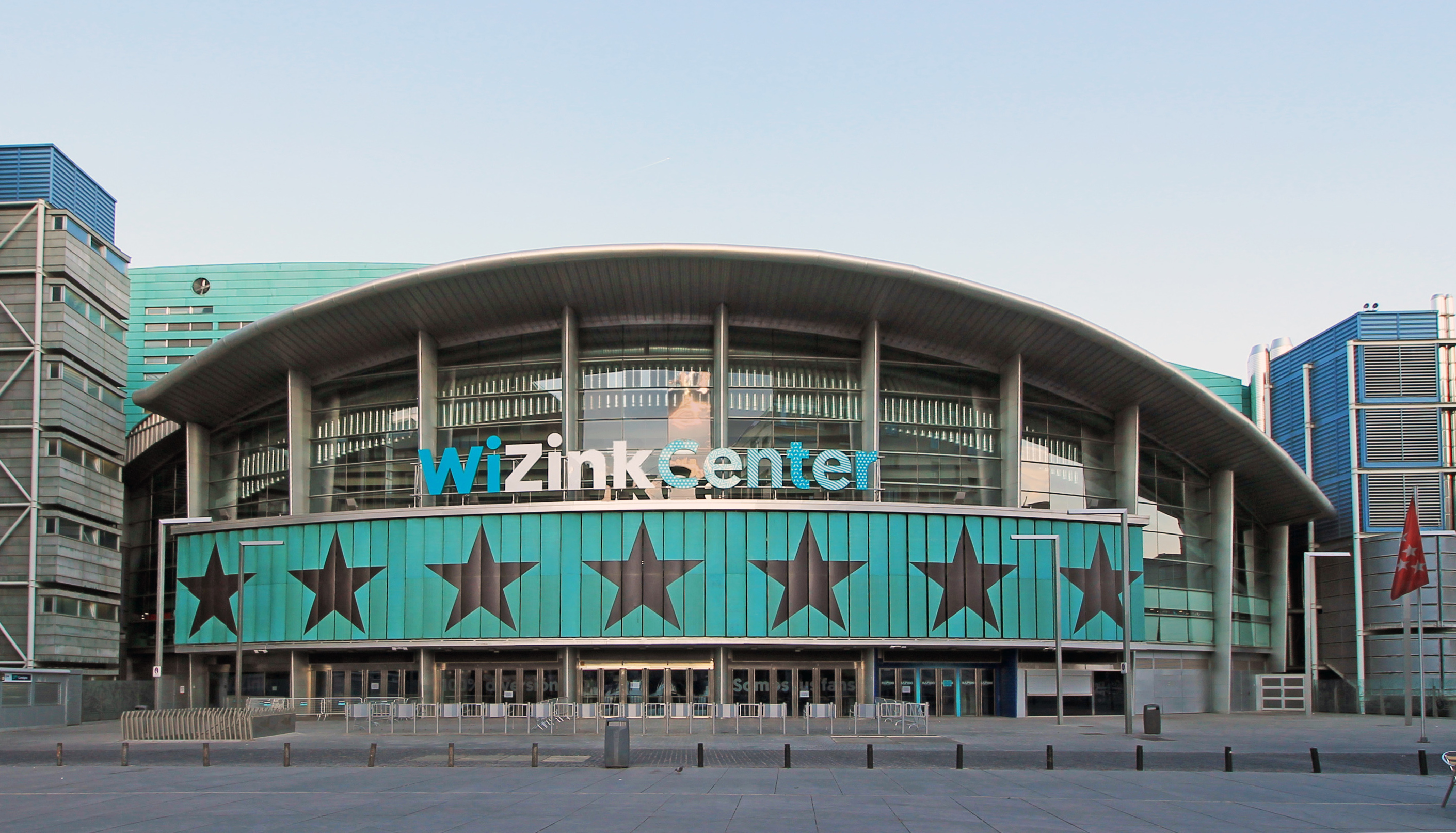
Madrid's main arena, the WiZink Center (formerly Palacio de los Deportes), is the venue for the city's biggest touring acts. With capacity for 18,000 standing or up to 22,000 depending on configuration, it has hosted Bruce Springsteen, Beyoncé, Coldplay, and Bad Bunny in recent years. The venue sits in the Retiro district adjacent to the Santiago Bernabéu axis and is easily reached by metro. Sound quality is adequate for an arena, with the floor providing the most dynamic atmosphere.
Official website →Joy Eslava — Calle del Arenal, 11, Centro

Joy Eslava occupies a breathtaking 19th-century theatre on Calle del Arenal, just minutes from the Puerta del Sol. The ornate interior — stalls, boxes, and galleries intact — creates an atmosphere unlike any other venue in Madrid. Live shows happen regularly in the early evening before the space transitions to club mode later at night. Flamenco acts, pop showcases, and DJ sessions all share the programme. The building's history dates to 1871 and it was once the Teatro Eslava; today it remains one of the most beautiful spaces in the city to see music.
Official website →Costello Club — Calle del Caballero de Gracia, 10, Centro

Costello Club is one of the most celebrated indie bars in Madrid, a multi-room venue on Calle del Caballero de Gracia near Gran Vía with a strong booking policy and a loyal local following. The ground floor is a cocktail bar; the basement hosts live acts and DJ nights. The room is small — capacity around 200 — meaning shows here have a distinct intimacy. Spanish indie, alternative rock, and electronic acts all feature regularly. The combination of quality bookings and a relaxed atmosphere makes it a favourite stop on any Madrid night out.
Official website →Café Berlín — Calle de Jacometrezo, 4, Centro

Café Berlín is one of Madrid's most intimate live venues, a 200-capacity room on Calle de Jacometrezo focused on jazz, blues, and soul. The space is low-lit and unpretentious, with a small stage that puts performers directly in front of the audience. Regular residencies from Spanish jazz musicians run alongside bookings for international touring acts. The venue occupies a distinguished spot in Madrid's cultural history — it has operated as a music space for decades — and the programming remains serious and eclectic.
Official website →Sala El Sol — Calle de los Jardines, 3, Malasaña

Sala El Sol opened in 1979 and became the nucleus of the Movida Madrileña — the explosive countercultural movement that swept Madrid after the end of the Franco dictatorship. Alaska, Radio Futura, and Mecano all played early shows in this iconic basement. The venue remains active today, still booking alternative, indie, and electronic acts in a 400-capacity room that retains its historic character. A visit to Sala El Sol is as much a piece of Madrid cultural history as it is a gig night.
Official website →Teatro Barceló — Calle de Barceló, 11, Malasaña

Teatro Barceló is a multi-room Malasaña institution combining live music nights with club programming across three floors. The main hall hosts live acts with capacity for around 1,000; the smaller rooms are given over to DJ sessions and more intimate performances. The venue's programming covers indie rock, electronic, hip-hop, and reggaeton, reflecting the diversity of the barrio it occupies. Thursday nights are particularly well attended, with regular themed events that have built dedicated followings over the years.
Official website →Sala Caracol — Calle Bernardino Obregón, 18, Carabanchel

Sala Caracol is Madrid's most dedicated underground rock and punk venue, a 500-capacity basement in the working-class Carabanchel district that has nurtured the Spanish heavy music scene for two decades. The programming is uncompromising — metal, hardcore, punk, and post-rock — and the crowd is equally committed. International underground acts on their first European tours regularly include Caracol as a Madrid stop, and the in-house sound system is punishing in the best possible way. Its remove from the tourist circuit is part of the appeal.
Official website →Café Clamores — Calle de Alburquerque, 14, Chamberí

Café Clamores is Madrid's premier jazz club, open since 1982 in the Chamberí district. The 400-capacity room hosts live jazz, blues, flamenco-fusion, and Latin acts seven nights a week, with international touring musicians playing alongside the best of the Spanish jazz scene. Dee Dee Bridgewater, Tito Puente Jr., and dozens of European jazz heavyweights have graced the small stage. The atmosphere is warm and knowledgeable — this is an audience that listens. A late-night jam session runs on Wednesdays and is open to musicians.
Official website →El Junco Jazz Club — Plaza de Santa Bárbara, 10, Alonso Martínez

El Junco opened in 2002 and quickly established itself as the go-to venue for jazz, soul, funk, and Black music in Madrid. The club occupies a 300-capacity basement on Plaza de Santa Bárbara and books both Spanish and international acts with a focus on cutting-edge contemporary jazz and Afrobeat. Live shows run Tuesday through Thursday; DJ nights take over on weekends. The booking policy is adventurous and internationally respected — El Junco has introduced Madrid audiences to artists years before they broke through on the wider European scene.
Official website →Moby Dick Club — Avenida del Brasil, 5, Chamartín

Moby Dick Club has been one of Madrid's principal live rock venues since 1982. Located in the Chamartín district near the Estadio Santiago Bernabéu, the 500-capacity room has hosted an enormous range of national and international acts across rock, pop, alternative, and indie. The programming is reliable and well-curated — Moby Dick books acts at the right stage of their careers, meaning you'll often catch future headliners in an intimate setting. The venue's longevity is itself a recommendation; in Madrid's volatile music industry, 40+ years of continuous operation means something.
Official website →Sala Galileo Galilei — Calle de Galileo, 100, Chamberí

Sala Galileo Galilei is a beloved mid-size venue in Chamberí that blends live concerts with a relaxed bar and restaurant atmosphere. The 600-capacity room books a broad range of acts — singer-songwriter, folk, indie, and jazz all appear regularly — and the crowd tends to be older and more attentive than in the city's more youth-focused clubs. Pre-show dining is popular; many regulars arrive an hour early to eat before the music starts. The venue is one of Madrid's most consistently pleasant places to spend an evening.
Official website →Sala Shoko Madrid — Paseo de la Castellana / Toledo

Sala Shoko occupies a riverside location and focuses on electronic music, pop, and urban sounds, programming both live acts and DJ nights in a 1,200-capacity space. The venue is well-suited to larger electronic shows and has hosted international DJs and artists across EDM, house, and dancehall genres. The production values are high — lighting and sound are club-standard — and the crowd is mixed in age and background. It is a different proposition from the city's smaller live rooms, but for larger-scale electronic shows it is one of the better options in Madrid.
Official website →Sala Copérnico — Calle de Copérnico, 16, Chamberí

Sala Copérnico is a 500-capacity rock and metal venue in Chamberí with a strong booking policy focused on heavy music, stoner rock, and progressive acts. The venue has been an important space for the Madrid heavy music scene for over a decade, booking Spanish bands alongside international touring acts who might not otherwise make it to the city. The room has a dedicated following and a no-nonsense atmosphere that suits the music. If Sala Caracol is the underground, Sala Copérnico occupies the mid-level — accessible but uncompromising.
Official website →Madrid's Live Music Scene: Where to Begin
From La Riviera's riverside stage to the jazz basements of Alonso Martínez, from the historical weight of Sala El Sol to the underground energy of Sala Caracol in Carabanchel — Madrid has a live music culture with genuine depth and character. The city's late start times mean you can eat well, walk slowly, and still arrive before the headline act. Use ConcertBuddy to find other fans going to the same show and turn a Madrid night into a shared experience.
Find Your Gig Companion with ConcertBuddy
Heading to La Riviera, Joy Eslava, Café Clamores, or any Madrid show? ConcertBuddy connects you with other fans attending the same event — find a gig buddy, a group to explore Malasaña with, or simply know there are like-minded people at the show. Post your event, browse who else is going, and turn a Madrid night out into a shared experience.