Barcelona Live Music Guide: The Best Venues
ConcertBuddy Team • 25 November 2026
11 min read
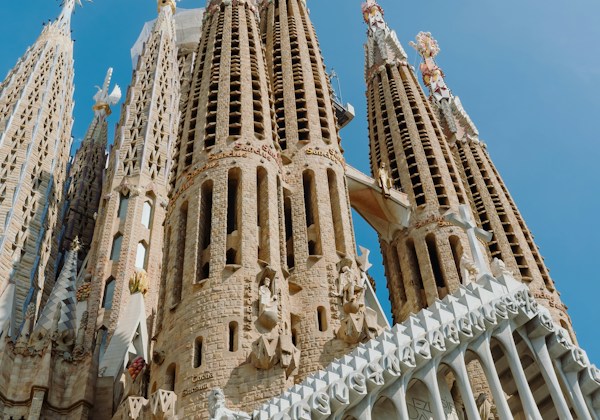
Barcelona is one of the Mediterranean's great music cities — a place where Olympic-era arenas, a 1940s ballroom, sweaty Poblenou warehouses, and tiny co-operative bars all sit within a few metro stops of each other. From the five rooms of Razzmatazz to the metal nights of Wolf and the DIY stages of Freedonia and La Deskomunal, this guide covers the essential live music venues across the Catalan capital — big, small, and underground.
Find other music fans heading to Barcelona shows on ConcertBuddy.
Palau Sant Jordi — Passeig Olímpic, Montjuïc
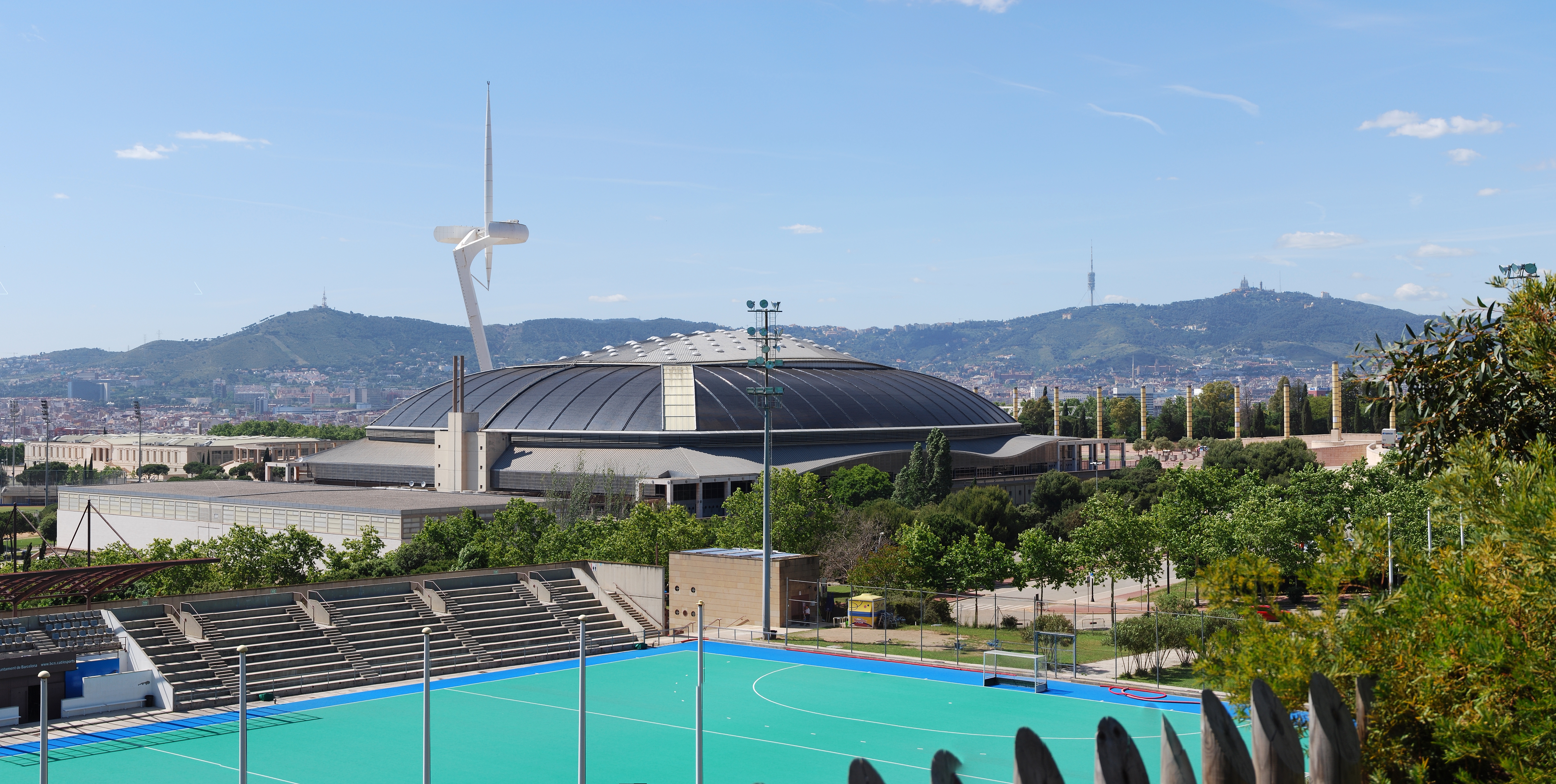
Photo: Felix König / CC BY 3.0
Designed by Japanese architect Arata Isozaki and opened in 1990 ahead of the 1992 Olympic Games, the Palau Sant Jordi is Barcelona's main indoor arena and the venue for the city's biggest touring shows. With room for around 17,000 people in concert configuration, it hosts the major international pop, rock, and Latin tours — Rosalía played two homecoming nights here on her Motomami tour in 2022. The arena sits on the Anella Olímpica on Montjuïc; allow time for the walk up the hill or take the escalators from Plaça d'Espanya.
Official website →Sant Jordi Club — Passeig Olímpic, Montjuïc

Photo: alterna2 / CC BY 2.0
The Sant Jordi Club is the Palau Sant Jordi's smaller sibling, a 4,500-capacity hall built directly alongside the main arena. It fills an important gap in Barcelona's venue ladder — too big for club shows, too small for arena tours — and books international acts in indie, metal, hip-hop, and electronic music on the way up or on more intimate runs. The single-floor layout keeps the stage visible from almost everywhere, and the Montjuïc setting makes for a scenic pre-gig walk past the Olympic Stadium.
Official website →Razzmatazz — Carrer dels Almogàvers, 122, Poblenou

Photo: Zarateman / CC0
Razzmatazz is Barcelona's most famous live music and club complex: five rooms spread across a converted industrial building in Poblenou, in the space once occupied by the legendary Sala Zeleste. The main room, Razz Club, hosts international touring bands — Arcade Fire and countless indie names have played here — while The Loft, Lolita, Pop Bar, and Rex Room run parallel programmes of indie, techno, and pop. On weekends a concert ticket often doubles as entry to the club nights that follow, which run until around 6am.
Official website →Sala Apolo — Carrer Nou de la Rambla, 113, Poble-sec

Photo: IM027 / CC BY-SA 4.0
Sala Apolo opened as a dance hall in 1943, and its main room still looks the part: a horseshoe of balconies, red velvet, and a sprung floor that has absorbed eight decades of dancing. Today it is one of the city's busiest venues, combining early-evening concerts with long-running club nights such as Nasty Mondays. The smaller downstairs room, La [2] de Apolo, books emerging bands and singer-songwriters. Its location on the edge of Poble-sec puts you a short walk from some of the best tapas bars in the city.
Official website →Paral·lel 62 — Avinguda del Paral·lel, 62, Poble-sec

Photo: Aniol / CC0
Paral·lel 62 is the newest chapter for one of Barcelona's oldest stages. The building on Avinguda del Paral·lel has been a circus, a theatre, a nightclub, and — most recently — the venue known as BARTS, before reopening under its current name with a municipal management model. The main hall holds 1,450 people, with a smaller Sala Club of around 120 for more intimate shows. Programming spans rock, indie, jazz, and world music, and the Paral·lel metro stop is right outside.
Official website →Bikini — Avinguda Diagonal, 547, Les Corts

Photo: alterna2 / CC BY 2.0
Bikini is a Barcelona institution: the original opened in 1953, and the current venue reopened in 1996 inside the L'Illa Diagonal complex on Avinguda Diagonal. The 800-capacity room has hosted a wide range of rock, pop, Latin, and singer-songwriter acts, and late at night it turns into one of the city's longest-running clubs. Its uptown location makes it a different crowd from the venues of the old town — and an easy option if you are staying in Les Corts or Sarrià.
Official website →Sala Upload — Poble Espanyol, Montjuïc

Photo: Alterna2 / CC BY 2.0
Sala Upload sits inside the Poble Espanyol, the open-air architectural village built for the 1929 International Exhibition. The mid-size room has built a strong reputation for indie, post-punk, and alternative bookings, with a steady flow of international touring acts alongside Catalan and Spanish bands. Arriving through the walled village at night is part of the experience. The team behind Upload also co-manages Paral·lel 62, which says a lot about its standing in the city's live music scene.
Official website →Wolf Barcelona — Carrer dels Almogàvers, 88, Poblenou
Wolf is the beating heart of Barcelona's metal and hard rock scene, a small club a few blocks from Razzmatazz in Poblenou. It books touring heavy metal, power metal, punk, and hardcore bands from across Europe and the US — acts like L7 and Myrath have played here — alongside local groups, and the room stays open as a rock bar after the shows. It is loud, dark, and close to the stage: exactly what a metal club should be.
Official website →Sala Vol — Carrer de Sancho de Ávila, 78, Sant Martí
Sala Vol is an intimate room close to the Marina and Glòries area that has become a reliable stop for indie, alternative, post-punk, and emo bands on European tours. The scale is small enough that you can stand right in front of the band, and the programming leans towards artists on their way up. It is one of the best places in the city to catch a touring band before they move on to bigger rooms.
Official website →Freedonia — Carrer de la Lleialtat, El Raval

Photo: Radio Saigón / CC BY 2.0
Freedonia opened in 2009 in the heart of the Raval and is one of the most active and resilient underground spaces in Barcelona. Created to host culture outside the logic of bars and nightclubs, it puts on punk, experimental, folk, noise, and singer-songwriter nights, plus readings, workshops, and community events. Tickets are cheap, the room is tiny, and the atmosphere is about the music and the people rather than the drinks. If you want to see Barcelona's DIY scene up close, start here.
La Deskomunal — Riera d'Escuder, 38, Sants

Photo: Aniol / CC0
La Deskomunal is a worker-owned co-operative bar in the working-class neighbourhood of Sants and the city's go-to address for hardcore, punk, Oi!, and reggae. Its calendar mixes local bands with international hardcore acts — New York's Combust have played here — and the crowd is a tight-knit community of regulars. Shows are affordable, the vibe is political and welcoming, and it is a world away from the tourist circuit.
Diobar — Avinguda del Marquès de l'Argentera, 27, El Born

Photo: Okymanie Bamba / CC BY 4.0
Diobar is a brick-vaulted cellar near the Estació de França that has been putting on live music since 2016. It calls itself a modern musical gastropub, and the basement hosts concerts several nights a week across a wide range of styles — afrobeat, funk, soul, jazz, rock, and singer-songwriters — mostly from Barcelona's grassroots scene. Tickets are cheap or free, the room is small, and it makes an easy first stop before a night out in El Born.
Heliogàbal — Carrer de Ramon y Cajal, 80, Gràcia

Photo: pulguita / CC BY-SA 2.0
Heliogàbal is a tiny bar-venue in the heart of Gràcia and one of the most important small stages in Barcelona. With room for well under a hundred people, it has given early shows to a generation of Catalan indie, folk, and singer-songwriter artists, and the audience is famously attentive. Shows start early and finish early out of respect for the neighbours, so plan a post-gig drink in one of Gràcia's squares. If you want to see the next big name in Catalan music before everyone else, start here.
Official website →Jamboree — Plaça Reial, 17, Barri Gòtic

Photo: arteunporro / CC BY 2.0
Jamboree has been Barcelona's best-known jazz cellar since 1960, tucked beneath the arcades of the Plaça Reial in the Gothic Quarter. The vaulted basement is small, hot, and atmospheric, and Barcelona-born pianist Tete Montoliu was a fixture in its early years. Two concert sessions run most nights, covering jazz, blues, soul, and funk, and the room switches to a club once the music ends. Buy tickets in advance for weekend sessions — it fills quickly.
Official website →Barcelona's Live Music Scene: Where to Begin
From Isozaki's arena on Montjuïc to the five rooms of Razzmatazz, from the metal nights of Wolf to the DIY stages of Freedonia and La Deskomunal — Barcelona offers a live music culture with remarkable range at every size. Pair a show at Sala Apolo with tapas in Poble-sec, catch a hardcore matinee in Sants, or end the night with a jazz set at Jamboree. Use ConcertBuddy to find other fans going to the same show and turn a Barcelona night into a shared experience.
Find Your Gig Companion with ConcertBuddy
Heading to Razzmatazz, Sala Apolo, Wolf, or any Barcelona show? ConcertBuddy connects you with other fans attending the same event — find a gig buddy, a group to explore Poble-sec with, or simply know there are like-minded people at the show. Post your event, browse who else is going, and turn a Barcelona night out into a shared experience.